What to Look for in Marietta top Pool Maintenance for Consistent Pool Maintenance Solutions
What to Look for in Marietta top Pool Maintenance for Consistent Pool Maintenance Solutions
Blog Article
Full Pool Service: Keep Your Pool Brilliant Year-Round
Thorough pool maintenance is vital for every pool owner. It ensures a pristine and secure swimming environment throughout the year. Regular upkeep not only enhances water clearness but also avoids costly repairs. Understanding the essential tasks involved can make a major difference. With the right equipment and knowledge, anyone can handle their pool effectively. However, many overlook key aspects that could enhance their pool experience. What are these important practices that can transform a standard pool into a pristine oasis?
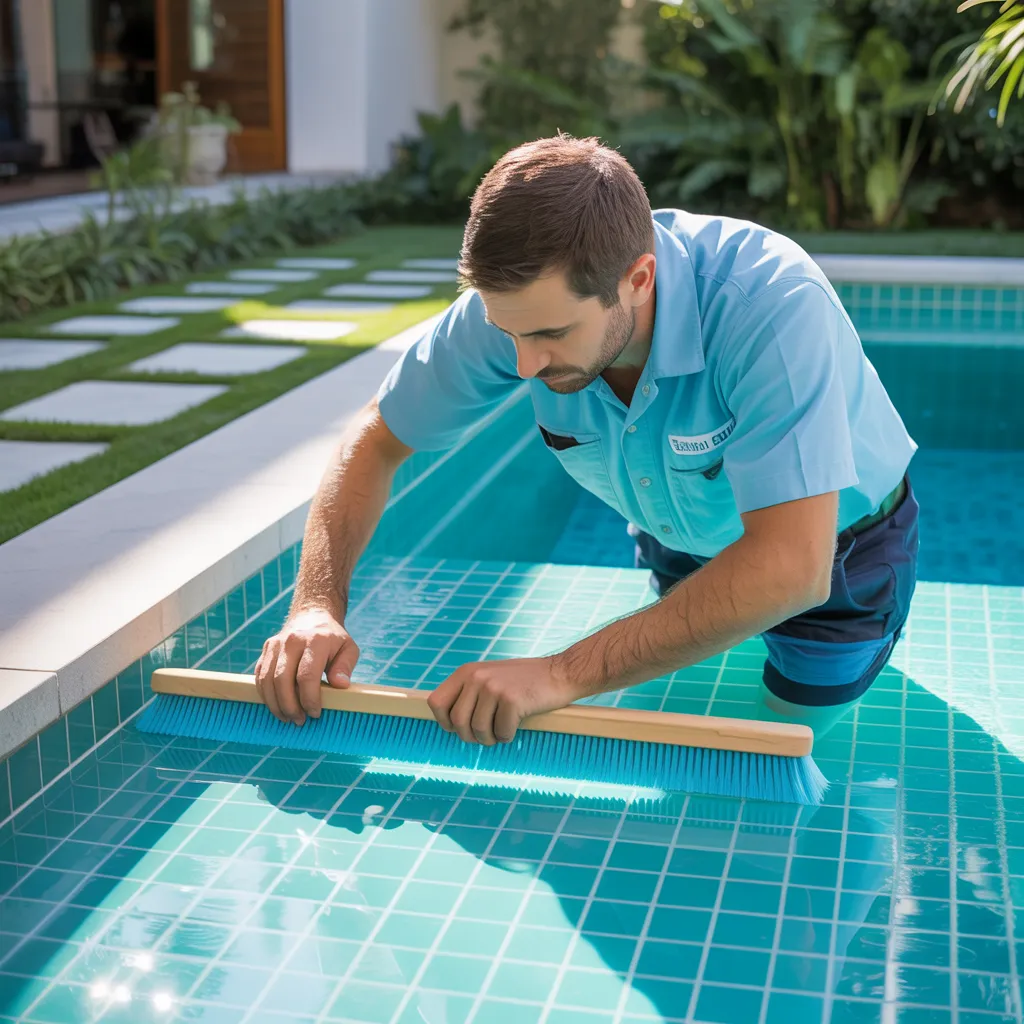
Maintaining a pool requires diligence and understanding of essential practices. Every pool owner should recognize the significance of regular maintenance to ensure water clarity and safety. Routine tasks include testing chemical balance, which should be balanced to stop algae formation and maintain swimmer comfort. Filtration systems need consistent monitoring, as they play a crucial part in maintaining water purity.
Property owners should inspect pool surfaces and equipment also for wear or damage signs, quickly resolving problems to avoid costly maintenance. Frequent skimming and vacuuming work to eliminate debris affecting water quality.
Understanding seasonal movements is significant; conditioning a pool in colder climates can preserve it from damage. Knowledge of local regulations regarding pool care can also support owners in complying with safety measures. Ultimately, a engaged approach to pool management not only enhances the swimming pursuit but also prolongs the life of the pool itself.
Important Tools for Successful Pool Upkeep
A well-kept pool owner recognizes that acquiring proper implements is important for maintaining your pool effectively. Essential equipment include a skimmer net, which efficiently eliminates surface debris and floating waste, and a suction system to clean the pool bottom. A sturdy pool brush is critical for scrubbing the sides and steps, preventing unwanted algae growth. Moreover, a water testing kit is essential for monitoring chemical levels, providing a safe swimming environment.
To copyright proper circulation, a good-quality pool pump is essential, while a filter system maintains the water clean. Pool maintenance also gains from equipment like a telescopic pole, allowing users to reach hard-to-reach spots. Finally, investing in a cover shields the pool from debris and minimizes upkeep duration. These important tools allow pool owners to care for their pools effectively, making them pristine and inviting throughout the year.
How Regular Care Keeps Your Pool Sparkling
Keeping your pool sparkling needs regular maintenance, preventing debris buildup while maintaining water transparency. The proper equipment combined with a regular cleaning routine matter greatly to this process. Grasping the value of routine upkeep will improve both your pool's aesthetic and durability.
Critical Cleaning Equipment Essential
While relishing a flawless pool is a joy for any homeowner, the suitable cleaning equipment are necessary for preserving it in brilliant condition. A robust skimmer net is indispensable for pulling out leaves and debris from the pool's surface. Additionally, a pool brush helps maintenance of tile and wall cleanliness, inhibiting algae growth. A vacuum, whether manual or automatic, can evidence efficiently clean the pool floor, making sure no dirt remains. Test kits are also important for observing water chemistry, allowing for timely adjustments. Finally, a pool cover can defend the pool from contaminants when not in use, minimizing overall cleaning time. Together, these tools establish the foundation for successful pool maintenance, contributing to a consistently inviting swimming environment.
Routine Pool Cleaning Intervals
How frequently should a pool be cleaned to preserve its sparkle? Regular maintenance is vital to guarantee a pristine swimming environment. Generally, pools should be skimmed and swept each week to eliminate waste, leaves, and dirt. Furthermore, brushing the surfaces and floor at least once a week aids in prevent algae buildup. Water chemistry should be tested two to three times a week to guarantee proper balance, while filters need cleaning or replacement according to manufacturer recommendations, typically every 1-3 months. Seasonal deep cleaning is also recommended, including thorough scrubbing and inspection of equipment. By adhering to this maintenance routine, pool owners can keep a gleaming pool, decreasing the likelihood of more extensive issues arising later.
Benefits Of Regular Maintenance
Steady maintenance routines not only improve the look of a pool but also help significantly to its overall health and longevity. Consistent maintenance prevents the gathering of debris, algae, and harmful bacteria, ensuring a safe swimming setting. By swiftly managing these concerns, pool owners avoid expensive repairs and increase the lifespan of their pool systems. Moreover, regular cleaning supports balanced water chemistry, essential to avoid corrosion and scaling. A pool that is well maintained delivers a more pleasant swimming experience with clear water and an inviting clean surface. Ultimately, frequent upkeep is vital for maintaining the usability and beauty of a pool throughout the year.
Achieving Correct Pool Chemical Balance: A Uncomplicated Guide
Ensuring proper pool chemicals proportion is essential for maintaining water clarity and protection. Key constituents include chlorine, alkalinity, and pH levels, all of which require steady surveillance. Testing the water regularly and making necessary adjustments guarantees a healthy swimming environment.
Key Chemical Compounds
Preserving a immaculate and secure recreational pool depends greatly on understanding necessary chemical components. The foremost chemicals involved contain chlorine, pH balancers, alkalinity increasers, and calcium hardness. Chlorine operates as a sanitizer, obliterating destructive bacteria and algae formation. Maintaining the correct pH level, optimally at 7.2 to 7.6, warrants potent chlorine function and circumvents skin inflammation. Alkalinity buffers help buffer pH fluctuations, while calcium hardness prevents material erosion and mineral deposits. Each of these components has a fundamental part in total water condition and swimmer safety. Regular attention to these chemicals not only refines the pool's purity but also prolongs the life of the pool and its equipment, making it fundamental for any pool owner to grasp their consequence.
Water Checking on a Frequent Schedule
Periodic water screening is necessary for upholding excellent aquatic settings and proper chemical balance in a pool. This tactic identifies deviations that can spark algae growth, cloudy water, or skin irritation. Testing should be implemented at least once a week, with heightened checks during peak usage or extreme weather conditions. Key metrics to assess include chlorine levels, alkalinity, and hardness. Making use of test strips or liquid kits, pool owners can obtain accurate readings and make considered conclusions about necessary adjustments. Consistent testing not only strengthens the pool's appeal but also furthers the endurance of pool equipment. By underscoring regular water testing, pool owners can establish a safe and inviting environment for swimmers throughout the year.
Balancing pH Readings
While a properly maintained pool delivers an appealing haven, incorrect pH levels can compromise its overall quality and swimmer enjoyment. pH levels have a essential role in the efficiency of sanitizers and the general health of the pool setting. Ideally, the pH should span between 7.2 and 7.8. When levels drop below this range, water becomes acidulous, conceivably causing surface irritation and corrosion of pool equipment. Conversely, high pH levels can result in cloudy water and decreased disinfectant effectiveness. Frequent testing with pH strips or electronic testers is essential. If adjustments are needed, introducing pH booster (sodium carbonate) or pH reducer (sodium bisulfate) can restore stability. Preserving correct pH ensures a secure and enjoyable swimming pursuit.
Resolving Your Pool Issues: Rapid Fixes
Troubleshooting pool issues can feel difficult, but fast fixes often are available for frequent problems. For murky water, testing and adjusting pH and chlorine levels can usually restore clarity. If the filter is malfunctioning, checking for clogs or replacing the filter media may resolve the issue promptly. When dealing with algae growth, shocking the pool with a chlorine treatment can quickly remove it, followed by scrubbing the walls and floor.
In cases of leaks, pinpointing the location is essential; using dye marking techniques can help detect small leaks around skimmers or fittings. For machinery that fails to start, examining power sources and resetting timers often does the trick. Finally, if the pool's upper area shows stains, applying a suitable cleaning agent or scrub can help Should water losses emerge, identifying the source is mandatory; using tracer dye methods can help locate small leaks around skimmers or fittings. For systems that refuse to start, inspecting power supplies and resetting timers often does the trick. Finally, if the pool's surface shows stains, applying a suitable cleaning agent or scrub can help return it to its original state. By addressing these issues swiftly, pool owners can maintain a clean and enjoyable swimming environment throughout the year.
Tips for Improving Your Pool's Aesthetic Appeal
What ways can swimming pool proprietors turn their outdoor space into a visually appealing oasis? One successful strategy is to add surrounding landscaping. Dense vegetation and colorful flower beds can establish a vibrant contrast against the pool's blue water. Additionally, using ornate pots with tropical plants provides depth and interest.
Lighting serves a vital role as well. Underwater LED lights and carefully placed lanterns improve the evening atmosphere, making the pool area inviting after sunset.
Including elegant furnishings is another critical element. Cushioned lounge chairs, chic umbrellas, and elegant tables combine both functionality and attractiveness.
Lastly, think about adding artistic touches such as mosaics or sculptures. These unique features can function as focal points, improving the overall design. By blending these elements, pool owners can design a enchanting environment that encourages relaxation and enjoyment all year round.
Regularly Asked Questions
How Regularly Should I Check My Pool Water Chemical Properties?
Testing pool water chemistry should occur at least once a week during the swimming season. In cooler months, bi-weekly tests may be adequate. Regular testing guarantees balanced water, enhancing safety and ideal swimming conditions for users.
What Are Common Indicators of Pool Algae Infestation?
Indicators of pool algae issues comprise cloudy or green water, slick surfaces, visible black or green spots on walls, and a potent smell. Regular inspections can assist in spotting these issues early on, ensuring effective treatment.
May I to Use Everyday Household Cleaners in My Swimming Pool?
Employing common household cleaners in a pool is not recommended. These items can upset the water's chemical composition, potentially endangering pool users and harming pool equipment. It's best to use cleaners specifically designed for pool maintenance.
What's the Best Way to Winterize for Winter Months?
To ready for winter a pool with efficiency, one should lower the water level, fully clean the pool, mix in winter chemicals, cover the pool securely, and verify all equipment is drained and stored properly to prevent damage.
How Can I Handle a Loud Pool Pump?
If the pool pump is making noise, the proprietor should search for debris, provide proper greasing, and examine the motor. If issues remain, seeking professional help or swapping the pump may be essential for successful resolution.
Report this page